admin@bhaskarnewspaper.com
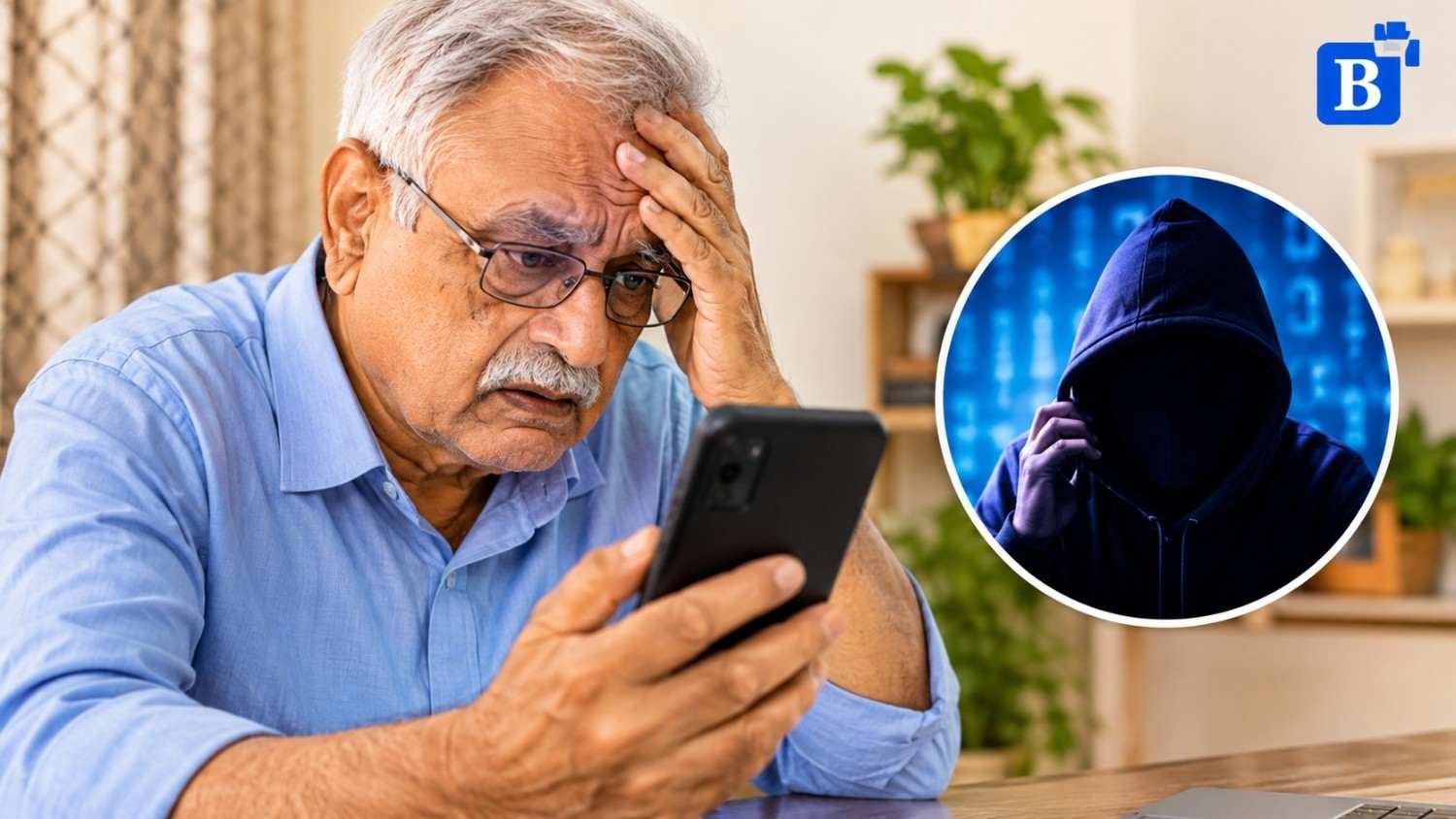
A 66-year-old retired Maharashtra government officer in Pune has allegedly lost ₹5 lakh after becoming a victim of a digital arrest scam. Cyber fraudsters posing as Anti-Terrorism Squad (ATS) officers threatened him with serious criminal charges and convinced him that he was under investigation for allegedly transferring ₹500 crore to Pakistani terrorists.
In a particularly disturbing part of the incident, the fraudsters forced the elderly man to show his bedridden wife, her injured leg and the medical equipment around her during a video call. They also threatened to kill his entire family if he disclosed details of the so-called investigation to anyone.
According to a report published by The Indian Express on November 22, 2026, the victim transferred ₹5 lakh to a bank account provided by the fraudsters on October 31. The callers had also pressured him to sell his house, but he refused.
The case highlights how cybercriminals are using fear, fake government identities and video calls to target senior citizens and take away their savings.
What Happened in the Pune Digital Arrest Scam?
According to the complaint, the incident began on October 28 when the retired government officer received a WhatsApp call from a man claiming to be a police inspector working at the Mumbai office of the Anti-Terrorism Squad.
The caller told him that a complaint had been registered against him for allegedly transferring ₹500 crore to Pakistani terrorists at a hotel in Kashmir on April 3, 2025.
The retired officer denied the allegations and said he had no connection with any such transaction.
However, instead of ending the call, the fraudster increased the pressure. He told the victim that he would have to travel to the ATS office in Lucknow for questioning.
The caller also provided two additional phone numbers and instructed him to contact the people associated with the alleged investigation.
The following morning, another man contacted the retired officer, claiming to be an ATS official from Lucknow. He alleged that a money laundering complaint had also been registered against the victim.
To make the story appear genuine, the fraudsters reportedly sent him photographs of four people described as terrorists, a fake bank account and documents carrying the Reserve Bank of India (RBI) logo.
A police officer from Chaturshringi police station told The Indian Express that these documents were allegedly used to make the fabricated investigation appear official.
Fraudsters Threatened to Kill the Entire Family
The fraudsters gradually took control of the victim’s daily activities and communications.
They questioned him about his bank accounts, savings, fixed deposits, investments and other financial assets. They also instructed him to close all the doors and windows of his house so that no outside noise could be heard.
The victim was warned not to discuss the alleged investigation with anyone, including his family members.
The threats became more frightening when the callers told him that his entire family could be killed if he shared information about the investigation with others.
They also referred to an alleged earlier incident in which a couple and their young child had been killed after disclosing details of an investigation. They warned the retired officer that the same thing could happen to his family.
These threats reportedly made the elderly man believe that he and his wife were in serious danger.
Retired Officer Forced to Show His Bedridden Wife on Video Call
One of the most disturbing aspects of the case involved the victim’s 66-year-old wife, who had been bedridden for a long time because of illness.
During a video call, the fraudsters instructed the retired officer to show them the surroundings of his house.
He was also forced to show his wife’s injured leg, the bandages on it and the medical equipment she depended on.
According to the FIR details reported by The Indian Express, the victim explained that both he and his wife were senior citizens suffering from multiple health problems. They could barely walk, and his wife had been confined to bed for a prolonged period.
He reportedly requested the callers to release them from the alleged detention, explaining that they were innocent and had no connection with the financial transactions being mentioned.
However, the fraudsters continued threatening him and demanded that he follow their instructions.
The incident shows how criminals can use the personal circumstances, health conditions and emotional vulnerability of elderly people to increase pressure during cyber fraud.
Fraudsters Asked Him to Sell His House Worth ₹25 Lakh
After gaining information about the victim’s finances, the fraudsters claimed that they needed to verify the source and destination of the alleged ₹500 crore transaction.
They instructed him to withdraw money from his bank accounts and cooperative society accounts and transfer it to an account at a nationalised bank.
The account provided by the fraudsters was reportedly a mule account, meaning a bank account used to receive and move money obtained through illegal activities.
The retired officer was also instructed to sell his flat, which was estimated to be worth around ₹25 lakh, and transfer the money to the account provided by the callers.
However, he refused to sell his house.
Despite refusing this demand, the victim remained under pressure and eventually agreed to withdraw and transfer some of his savings.
How the Retired Officer Lost ₹5 Lakh
The fraudsters maintained constant contact with the retired officer throughout the incident.
According to the police information reported by The Indian Express, he was instructed to send a message every hour confirming that he was safe.
If he delayed sending the message, the callers would remind him to report his status.
He was also told to remain visible on video calls from his room and not discuss his financial transactions with anyone.
On October 31, following the instructions, the retired officer visited his bank and transferred ₹5 lakh through the Real Time Gross Settlement (RTGS) system to an account provided by the fraudsters.
RTGS is a banking system used to transfer money electronically between bank accounts.
The fraudsters assured him that the money would be returned after the investigation was completed. They also claimed that an RBI official would visit him with the necessary documents.
However, the promised verification never happened.
The callers later switched off their phones. The retired officer then suspected that he had been cheated and approached the police to report the incident.
The cyber police are now investigating the case and attempting to trace the phone numbers and bank accounts used by the fraudsters.
What Is a Digital Arrest Scam?
A digital arrest scam is a type of online financial fraud in which criminals pretend to be police officers, CBI officials, ATS personnel, Enforcement Directorate officers or representatives of other government agencies.
They contact people through phone calls, WhatsApp messages or video calls and falsely claim that the person is involved in a criminal investigation.
Common allegations used by fraudsters include:
- Money laundering.
- Terrorist funding.
- Illegal bank transactions.
- Misuse of Aadhaar details.
- Drug trafficking.
- Suspicious international financial transfers.
- Involvement in criminal activities.
After making the victim believe that they are facing arrest, the criminals threaten them with imprisonment, legal action or harm to their families.
They may then demand money under the name of account verification, investigation clearance or security deposits.
In some cases, victims are forced to remain on video calls for several hours or days. This is used to isolate them from family members and prevent them from seeking help.
The Indian Cyber Crime Coordination Centre (I4C), under the Ministry of Home Affairs, issued an advisory on March 6, 2025, warning people about this type of organised cybercrime.
The advisory clearly states that there is no concept of digital arrest under Indian law.
How Can People Identify a Digital Arrest Scam?
People should be careful when someone contacts them claiming to be a police or government officer and demands money.
Some common warning signs include:
1. Threats of Immediate Arrest
Fraudsters often claim that a person will be arrested immediately if they do not follow their instructions.
2. Fake Government Documents
Scammers may send fake FIRs, arrest warrants, identity cards and documents carrying government or agency logos.
3. Video Call Surveillance
They may demand that victims remain on video calls and show their homes to create fear and control their activities.
4. Demands for Money
They may ask victims to transfer money for account verification, investigation clearance or other fabricated legal procedures.
5. Instructions to Maintain Secrecy
Fraudsters frequently tell victims not to contact family members, friends, lawyers or the police.
These tactics are designed to prevent victims from checking whether the allegations are genuine.
Important Cyber Safety Rules for Senior Citizens
The Pune incident highlights the need for greater awareness about online fraud, especially among elderly people.
People should follow these precautions:
- Never transfer money because someone threatens arrest over a phone or video call.
- Do not share bank account details, OTPs, passwords or financial information with unknown callers.
- Do not trust documents simply because they carry government logos.
- Never allow unknown callers to monitor your daily activities through video calls.
- Inform family members immediately if someone claims you are involved in a criminal investigation.
- Contact the concerned police station directly to verify suspicious claims.
- Report financial cyber fraud immediately through the national cybercrime helpline.
Family members should also regularly discuss online safety with elderly relatives, particularly those who live alone or have limited experience using digital banking services.
How to Report a Digital Arrest Scam in India
Anyone who becomes a victim of online financial fraud should report the incident as quickly as possible.
The Government of India’s National Cyber Crime Reporting Portal provides the following reporting options:
Cybercrime Helpline: 1930
Official Website: https://www.cybercrime.gov.in/
Victims should provide relevant information, including:
- Bank account details involved in the transaction.
- Transaction reference number or UTR number.
- Date and amount of the transfer.
- Phone numbers used by the fraudsters.
- WhatsApp messages, call records and screenshots.
- Other available evidence related to the incident.
Reporting the fraud quickly can help authorities and banks take steps to trace or potentially block the transferred money. However, recovery is not guaranteed.
What Happens Next in the Pune Case?
The Pune cyber police are investigating the complaint and attempting to identify the people behind the fraud.
Investigators are reportedly working to trace the phone numbers and bank accounts used by the accused.
The investigation will be important in identifying the individuals involved, understanding how the money was transferred and determining whether the accounts were part of a larger cybercrime network.
As of November 22, 2026, the available report does not confirm any arrests or recovery of the ₹5 lakh transferred by the victim.
Further details will depend on the outcome of the police investigation.
Important Facts and Figures
| Particular | Details |
|---|---|
| Location | Pune, Maharashtra |
| Victim’s age | 66 years |
| Wife’s age | 66 years |
| First contact | October 28, 2026 |
| Money transferred | ₹5 lakh |
| Date of transfer | October 31, 2026 |
| Transfer method | RTGS |
| Alleged fake identity | Anti-Terrorism Squad (ATS) officers |
| Fabricated allegation | Transfer of ₹500 crore to Pakistani terrorists |
| Estimated house value | Around ₹25 lakh |
| Police station | Chaturshringi Police Station |
| Latest report | November 22, 2026 |
Frequently Asked Questions (FAQs)
1. What happened in the Pune digital arrest scam?
A 66-year-old retired Maharashtra government officer was allegedly cheated of ₹5 lakh by fraudsters posing as ATS officers. They threatened him with criminal charges and forced him to remain under constant video-call surveillance.
2. How much money did the retired officer lose?
The retired officer transferred ₹5 lakh through RTGS to a bank account provided by the fraudsters on October 31, 2026.
3. Why was the victim forced to show his bedridden wife?
The fraudsters asked him to show the surroundings of his house during a video call. He was also forced to show his wife’s injured leg, bandages and medical equipment.
4. What allegations did the fraudsters make?
They falsely claimed that the retired officer had transferred ₹500 crore to Pakistani terrorists at a hotel in Kashmir on April 3, 2025.
5. Did the fraudsters ask him to sell his house?
Yes. They asked him to sell his flat, estimated to be worth around ₹25 lakh, and transfer the proceeds. However, he refused.
6. Is digital arrest legal in India?
No. There is no legal provision for digital arrest under Indian law. Genuine law enforcement agencies do not arrest people through video calls or demand money to clear investigations.
7. What is the cybercrime helpline number in India?
People can report financial cyber fraud by calling 1930 or visiting the official National Cyber Crime Reporting Portal at cybercrime.gov.in.
8. How can people protect themselves from digital arrest fraud?
People should never transfer money under pressure from unknown callers, share banking details or remain on suspicious video calls. They should verify claims directly with the police and inform family members.